

Koi Fish Facts
Asagi Koi Fish
Feb
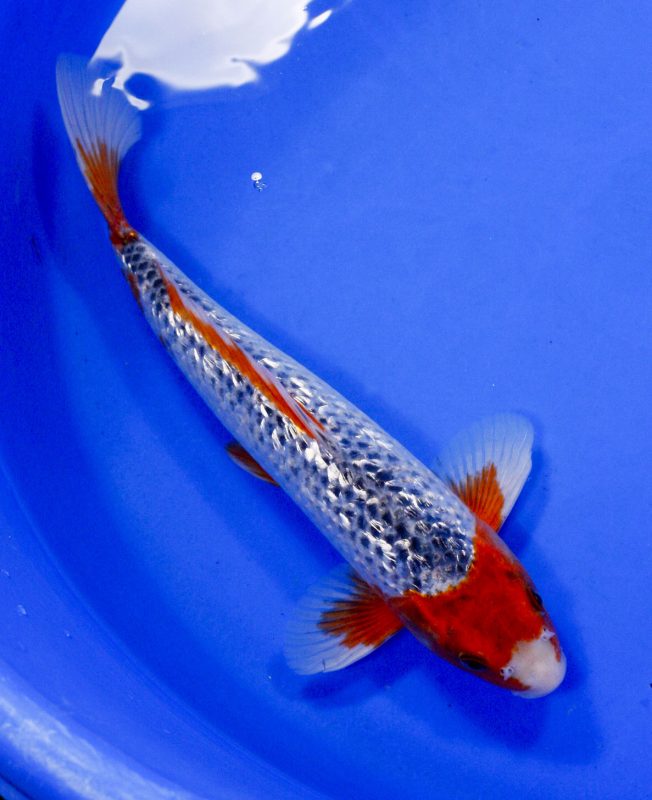
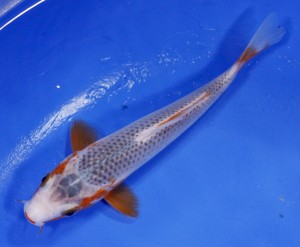
Asagi (ah-SAH-gee) are fully scaled, nonmetallic koi. The name is derived from the Japanese word for pale blue or indigo, and they are sometimes referred to as Blue Back koi.
The blue scales with lighter blue (or even white) edging that run down the body create the diamond-shaped, pine cone reticulation pattern that characterizes this type of koi.
The Original Nishikigoi
Asagi koi have the distinction of being considered the first brocaded carp. Many of the newer, more popular varieties of koi are the result of selective cross breeding with the Asagi bloodline.
Opinions about the Asagi’s value are sharply divided. As these koi lack the brighter colors and patterns of newer varieties, they are often overlooked and considered plain. However, other enthusiasts appreciate the tradition and distinction that Asagi add to a pond. Their understated elegance is a welcome complement to the other more colorful koi.
As a closer relative to the older generations, Asagi share their ancestor’s ability to grow quite large. They are also even-tempered and make good pond mates.
Things to Consider
Scalation
The netting pattern should begin just behind the head and run the full length of the body.
Additionally, because of the prevalence of the blue base color and the highly visible reticulation, any changes in color or breaks in the scale pattern are considered an imperfection.
Color
The blue in the Asagi can range from pale to deep blue. The paler blue is generally considered better quality and is preferred.
The hi (red) color in Asagi is a muted, rust-colored red. It isn’t the deep, vibrant red that characterizes other koi varieties (like the Sanke).
The hi can be found on the gill plates (cheeks), pectoral fins and dorsal fin, belly and tail, but it shouldn’t creep above the lateral line into the blue reticulated area. The hi can also spread as the koi ages.
Regardless of where it is found, it is important to look for symmetry in the red pattern.
Head
In juvenile Asagi, the skull will show through the translucent skin. As it matures, the skin thickens and the skull will eventually become invisible.
The condition of the nose in a young Asagi will usually indicate how the head will ultimately turn out. If it is blemish free, there is a good chance that the head will be, too.
The ideal head color is all white without markings, but this is rare, and the head is frequently light blue-gray.
The hi can also be present on the cheeks and head. A hooded Asagi (the head being mostly or completely covered by the hi) is known as a Menkaburi Asagi. Asagi with red eyes are considered higher quality, too.
Fins
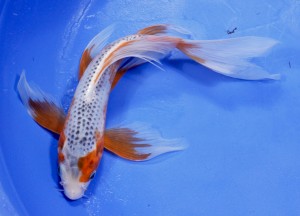
Pectoral fins can be completely white, entirely red, or red at the pectoral fin joint and white around the outer edges.
The same color scheme also applies to the dorsal and tailfin where red can be present to differing degrees or completely absent. Modern Asagi are now also available as long fin butterfly koi.
Asagi is an encompassing term, but there are some subtle distinctions in naming this type of koi.
- Hi Asagi refers to specimens that have more red in the coloration
- Taki Asagi are Asagi with a row of white scales between the blue body color, and the hi on the underbelly.
- Asagi Konjo are dark Asagi and often appear to be black
- Asagi Narumi are the lighter blue and red Asagi
- Asagi Mizu are light blue Asagi with little or no red present.
Contact one of Next Day Koi’s customer service representatives to find out how we can get one of these original living jewels into your pond. Along with our incredible selection of koi fish, we offer some of the best shipping options in the industry.